
Top Blockchain Accelerators (Who Survived the Crypto Winter) in 2026
Co-founder at Peony. Former M&A at Nomura, early-stage VC at Backed VC, and growth-equity / secondaries investor at Target Global. I write about investors, fundraising, and deal advisors from the deal-side perspective I spent years in.
TL;DR: Crypto VC funding doubled to $34B in 2025 and Q1 2026 added another $2.8B -- the strongest quarter since Q3 2022. Infrastructure and RWA tokenization captured 70% of capital deployed. Of the dozens of Web3 accelerators that launched during the bull market, 15 are confirmed active and investing in April 2026. The median Alliance DAO graduate raises $3.5M at $25M post-money after the program.
Last updated: April 2026
We run Peony, an AI-powered data room platform, and I have watched dozens of Web3 founders cycle through accelerator programs over the past three years. Some of those programs quietly shut down after the crypto winter. Others pivoted, rebranded, or merged. A few emerged stronger than ever.
This guide covers the 15 blockchain and crypto accelerators that are actually active and investing in 2026 -- with verified deal terms, real alumni outcomes, and honest notes on which programs match which founder profiles. I also explain how to set up your data room before you apply, because accelerators review your materials before they review your pitch.
Quick Reference: Blockchain Accelerator Comparison
| Accelerator | Funding | Equity / Tokens | Duration | Focus |
|---|---|---|---|---|
| a16z CSX | $500K | 7% equity | 12 weeks | Infrastructure, DeFi |
| Alliance DAO | $500K | SAFE at $5M post | 12 weeks | Crypto-native, AI-crypto |
| YZi Labs (prev. Binance Labs) | $100K--$500K | Equity varies | 8 weeks | DeFi, infrastructure, AI |
| Outlier Ventures | $100K--$200K | 5--10% equity | 12 weeks | DePIN, RWA, DeAI |
| Techstars Web3 | $120K | 6% equity | 13 weeks | Consumer Web3, infra |
| Coinbase Ventures | $50K--$200K | Equity varies | 8--12 weeks | Base ecosystem, US market |
| Solana Incubator | Grants + resources | None | 12 weeks | Solana ecosystem |
| CoinList Seed | Varies | None | Rolling | Token launches, early stage |
| Colosseum | Pre-seed funding | Equity varies | 12 weeks | Solana, hackathon pipeline |
| Outlier DePIN Base Camp | $200K | Equity varies | 12 weeks | DePIN infrastructure |
| Outlier RWA Base Camp | $100K--$200K | Equity varies | 12 weeks | Tokenized real-world assets |
| Berkeley Blockchain Xcelerator | $5K--$25K grants | None | 6--12 months | Research, academic |
| Cardano Founder Catalyst | Mentorship + grants | None | 10 weeks | Cardano ecosystem |
| Superteam Grants | $500--$15K | None | Rolling | Solana, emerging markets |
| CV Labs | CHF 50K--150K | 5--10% equity | 10 weeks | Swiss-based, global Web3 |
Elite Tier: Highest Prestige and Funding
a16z Crypto Startup School (CSX)
Website: a16zcrypto.com/accelerator Investment: $500,000 for 7% equity Duration: 12-week intensive (in-person San Francisco) Cohorts: Twice per year (Spring and Fall) Acceptance rate: Roughly 3%
CSX is the most prestigious crypto-specific accelerator. Run by Andreessen Horowitz's crypto arm (which manages a $7.6B crypto fund across four vehicles), the program provides deep technical mentorship, tokenomics design support, and access to a16z's institutional LP and VC network.
Notable alumni: Projects from CSX cohorts have collectively raised over $1B in follow-on funding. Glider (CSX cohort) raised a $4M strategic round in 2025.
What they look for: Technical founders with working prototypes, clear token utility, and a thesis on why crypto matters for their category. CSX skews toward infrastructure, DeFi protocols, and developer tooling.
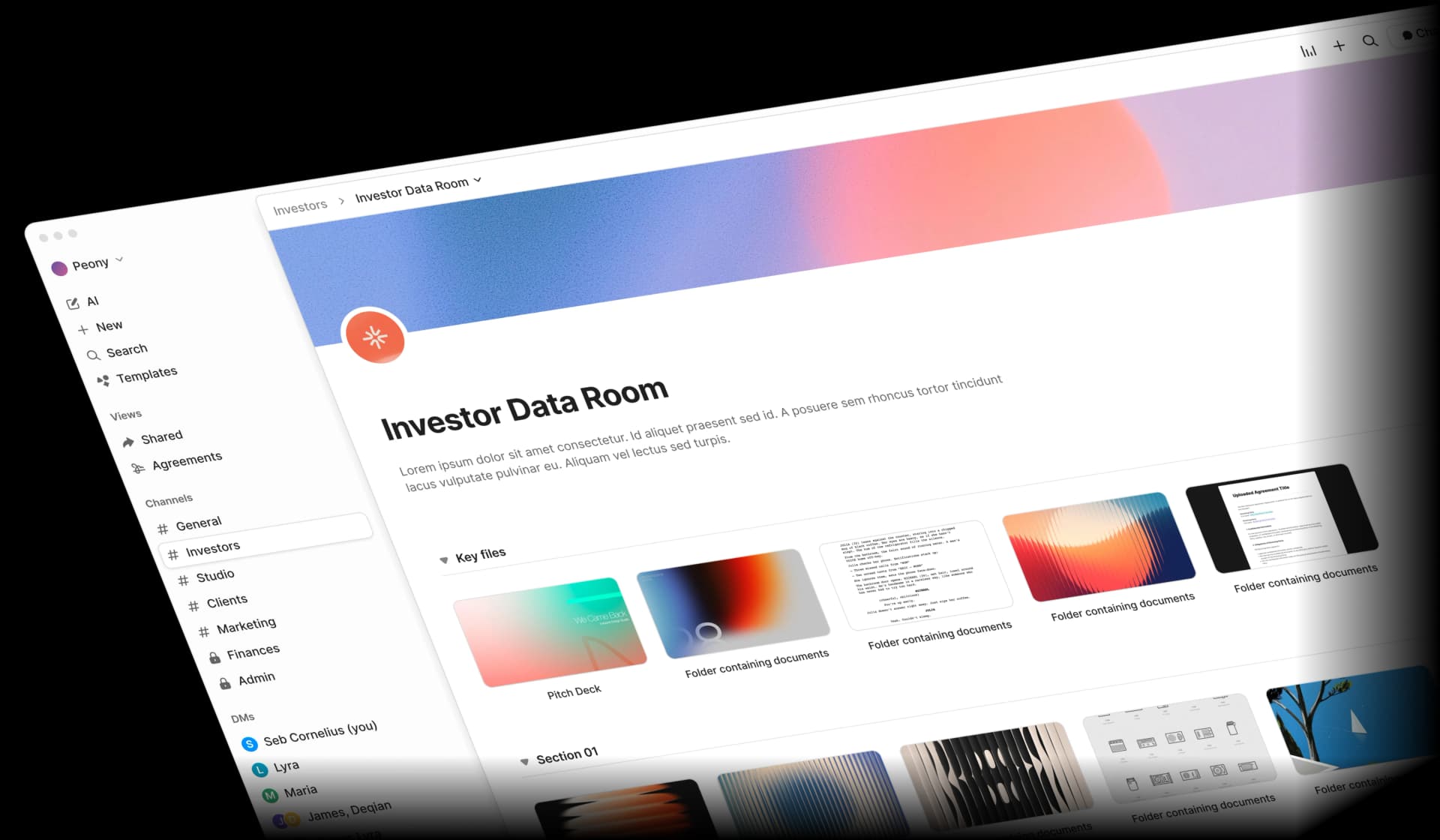
Application tip: Your whitepaper matters as much as your deck. Use Peony AI auto-indexing to organize your whitepaper, tokenomics model, and technical docs into a structured data room that reviewers can navigate in minutes instead of hours.
Alliance DAO
Website: alliance.xyz Investment: $500,000 via SAFE at $5M post-money valuation (with 1:1.5 token side letter) Duration: 12 weeks (2-week in-person onboarding, 10 weeks remote) Cohorts: 3 per year (next: ALL17 starting May 11, 2026) Acceptance rate: Roughly 5% (1,700+ applications per cohort)
Alliance DAO is the strongest crypto-native accelerator. The program is free beyond the investment, and the median graduate raises $3.5M at a $25M post-money valuation after completing the program. Alliance has expanded its thesis to include AI-crypto convergence alongside its core DeFi and infrastructure focus.
Notable alumni: Multiple unicorn-valuation projects across DeFi, infrastructure, and consumer crypto.
What they look for: Builders who are deeply crypto-native. They want founders who understand on-chain mechanics, community dynamics, and token design from first principles.
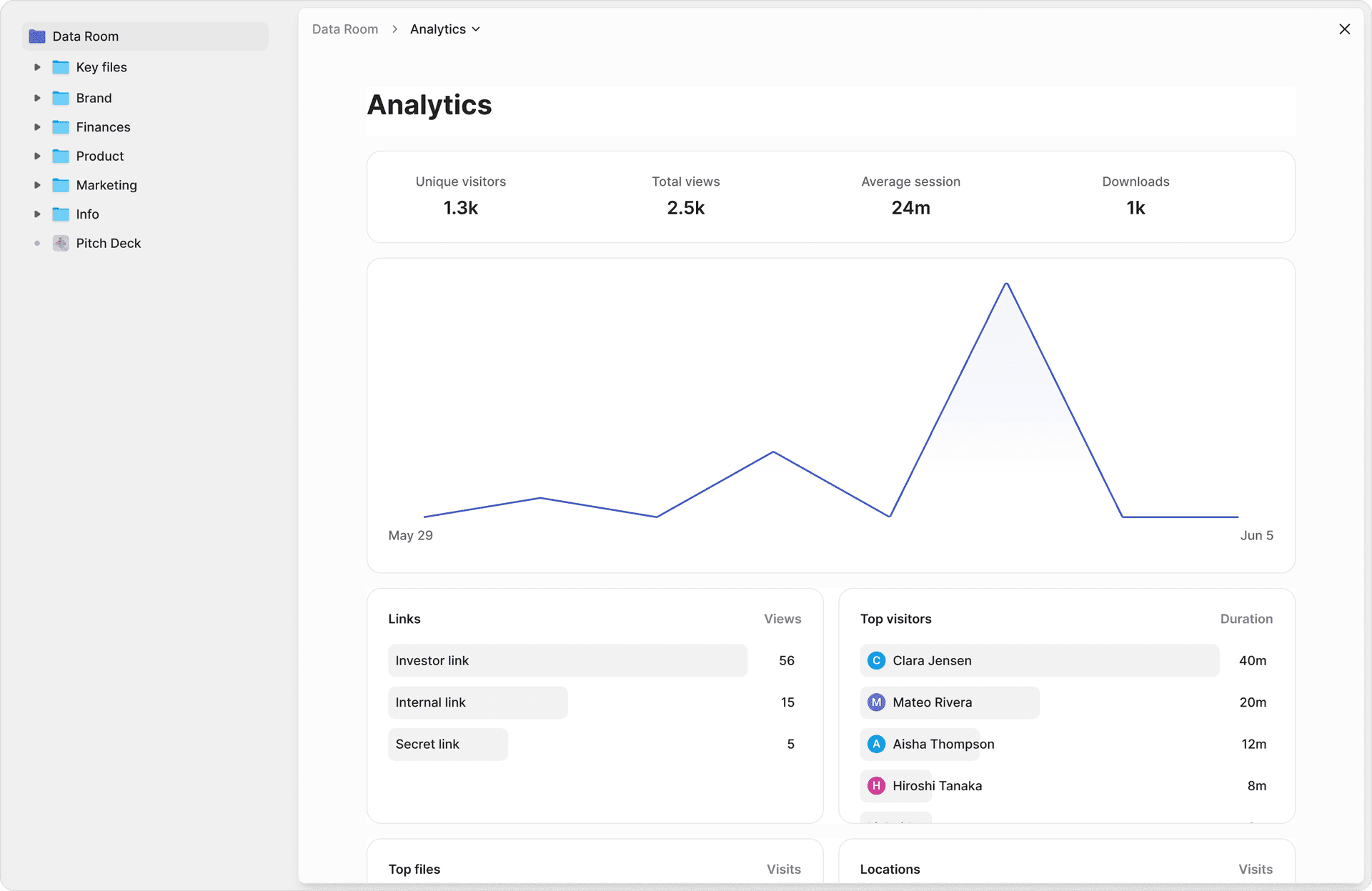
Application tip: Alliance reviews your GitHub activity, on-chain history, and community engagement -- not just your deck. Share your technical materials through a Peony data room with page-level analytics so you can see exactly which sections the review committee spends time on.
YZi Labs (formerly Binance Labs)
Website: yzilabs.com Investment: $100K--$500K (varies by project stage) Duration: 8-week incubation program (biannual cohorts) Acceptance rate: Roughly 8%
Binance Labs rebranded to YZi Labs in January 2025, transitioning from Binance's venture arm to CZ's $10B+ family office led by Ella Zhang. The incubation program remains chain-agnostic and has backed 250+ projects since 2018, including Polygon and Dune Analytics. YZi Labs expanded its thesis beyond crypto into AI and biotech.
Notable alumni: Polygon, Perpetual Protocol, Dune Analytics, 1inch, The Sandbox.
What they look for: Strong technical teams with clear use cases and global scalability. Projects with exchange integration potential get extra attention.
Application tip: YZi Labs runs a structured 8-week curriculum with an investment-focused demo day. Have your data room for investors ready before the program starts so you can focus on building, not scrambling to organize documents.
Established Programs: Proven Track Records
Outlier Ventures Base Camp
Website: outlierventures.io/base-camp Investment: $100K--$200K for 5--10% equity Duration: 12 weeks (fully remote) Cohorts: Multiple specialized tracks per year Acceptance rate: Roughly 15%
Outlier Ventures has evolved from a single accelerator into a platform running multiple specialized Base Camp tracks. Current active tracks include the core Web3 Base Camp, DePIN Base Camp (in partnership with 1kx and peaq, offering $200K per team), and RWA Base Camp (in partnership with Singularity Finance). The program targets DeAI, DeFi, RWA, and DePIN founders.
Notable alumni: Boson Protocol, Ocean Protocol, Fetch.ai, Covalent.
What they look for: Teams building in high-conviction thesis areas -- DePIN, RWA tokenization, decentralized AI, and agentic infrastructure. Strong tokenomics design is a requirement.
Application tip: Apply to the specific Base Camp track that matches your vertical. A generic application to the wrong track gets rejected. Protect your proprietary tokenomics models with Peony screenshot protection and dynamic watermarks when sharing across multiple programs.
Techstars Web3
Website: techstars.com/accelerators Investment: $120,000 for 6% equity Duration: 13-week intensive Cohorts: Annual (Class of 2025 completed, 2026 applications open) Acceptance rate: Roughly 10%
Techstars Web3 brings Techstars' global network of 10,000+ mentors and 500+ demo day VCs to crypto founders. The 2025 cohort completed onboarding in Dublin with access to 90+ Web3 mentors. Techstars also launched a Cardano Founder Catalyst pre-accelerator in partnership with the Cardano Foundation.
Notable alumni: 80% of Techstars Web3 graduates have secured follow-on funding, with 30+ companies supported to date.
What they look for: Consumer-facing Web3 applications and infrastructure projects. Techstars values founders who can articulate a clear startup fundraising strategy beyond the accelerator program.
Application tip: Techstars values metrics and traction over theoretical token models. Lead with user numbers, revenue, or partnership data. Structure your materials in a Peony data room with AI extraction so mentors and investors can ask questions across your entire document set and get cited answers with page numbers.
Coinbase Ventures / Base Camp
Website: coinbase.com/ventures Investment: $50K--$200K (varies by project) Duration: 8--12 weeks Location: San Francisco (hybrid)
Coinbase Ventures maintains an active portfolio exceeding 300 companies. The Base Camp program specifically supports startups building on the Base blockchain, with direct integration into Coinbase's ecosystem, listing support, and access to Coinbase's institutional user base.
Notable alumni: Friend.tech, Base ecosystem projects across DeFi and consumer applications.
What they look for: Base-native applications, consumer-focused products, and projects targeting the US market with strong regulatory compliance. Coinbase's focus on institutional adoption means they prefer projects that bridge crypto and traditional finance.
Application tip: US regulatory knowledge is a differentiator here. Include compliance documentation in your data room alongside your technical materials.
Ecosystem-Specific Programs
Solana Incubator
Website: incubator.solanalabs.com Investment: Grants + developer resources (non-dilutive) Duration: 12-week program (Cohort 5 applications opening May 2026) Location: Remote
The Solana Incubator supports both Web3-native teams building on Solana and Web2 teams incorporating blockchain for the first time. The program focuses on high-performance applications leveraging Solana's speed and low transaction costs.
What they look for: Projects that take advantage of Solana's technical architecture -- high-throughput applications, DePIN networks, and consumer crypto products.
Colosseum (Solana Hackathon Accelerator)
Website: colosseum.com Investment: Pre-seed funding (varies) Duration: 12-week accelerator following hackathon selection
Colosseum runs Solana's flagship hackathons (like the Breakout Hackathon) and feeds top performers directly into an accelerator program. This creates a natural pipeline where working code, not slide decks, determines selection.
What they look for: Builders who ship. Hackathon winners with functional prototypes get priority.
CoinList Seed
Website: coinlist.co/seed Investment: Varies (growth and exposure focused) Duration: Rolling cohorts Location: Global
CoinList Seed evolved from a private fundraising service into a growth program that provides exposure to CoinList's investor network, founder community, and hands-on support from the Lattice crypto fund. The program accepts teams at all stages.
What they look for: Projects ready for or approaching token launch, with clear token utility and community traction.
Cardano Founder Catalyst (Techstars Partnership)
Website: techstars.com/blog/program-news Investment: Mentorship + grants (non-dilutive) Duration: 10-week pre-accelerator Location: Remote
A newer program launched in late 2025 through a partnership between Techstars and the Cardano Foundation. Designed for early-stage Web3 founders building on Cardano.
What they look for: Early-stage teams with ideas aligned to the Cardano ecosystem.
Berkeley Blockchain Xcelerator
Website: blockchain.berkeley.edu Investment: $5K--$25K grants + university resources Duration: 6--12 months Location: Berkeley, CA (hybrid) Cohorts: Annual (Fall applications)
UC Berkeley's blockchain accelerator provides academic resources, research collaboration, and access to Silicon Valley investor networks. The longer timeline suits research-heavy projects that need more runway before fundraising.
Notable alumni: Oasis Labs, Celo (early support).
What they look for: Research-heavy projects, academic collaboration potential, and technical innovation in cryptography, consensus mechanisms, or privacy-preserving computation.
Superteam Grants (Solana)
Website: earn.superteam.fun/grants Investment: $500--$15,000+ microgrants (non-dilutive) Duration: Rolling (decisions within 48--72 hours) Location: Global with focus on emerging markets
Superteam operates across India, Vietnam, Nigeria, Germany, and 10+ other countries. Their grants program provides fast, equity-free funding for builders in the Solana ecosystem. Applications are processed in under 15 minutes with decisions in 2--3 days.
What they look for: Builders in emerging markets creating code, content, community, or events for the Solana ecosystem.
CV Labs Accelerator
Website: cvlabs.com Investment: CHF 50K--150K for 5--10% equity Duration: 10 weeks Location: Zug, Switzerland (Crypto Valley)
CV Labs operates from the heart of Crypto Valley in Zug, Switzerland, providing a European base for Web3 startups. The program offers access to Swiss regulatory expertise, European institutional investors, and a physical co-working space in one of the world's most crypto-friendly jurisdictions.
What they look for: Projects targeting European or global markets that benefit from Swiss regulatory clarity.
Outlier DePIN Base Camp
Website: outlierventures.io/base-camp Investment: $200K per team (in partnership with 1kx and peaq) Duration: 12 weeks (remote)
A specialized track within Outlier Ventures focused exclusively on Decentralized Physical Infrastructure Networks. DePIN Base Camp II launched in 2025 with dedicated mentorship for hardware-meets-crypto founders building wireless networks, energy grids, sensor networks, and compute infrastructure.
What they look for: Teams with both hardware expertise and blockchain experience. Projects must demonstrate how decentralization improves their infrastructure model.
How to Choose the Right Blockchain Accelerator
By Stage
Pre-MVP / Idea stage: (See our seed funding guide for broader context on early-stage fundraising)
- Superteam Grants (fast microgrants, no equity, decisions in 48--72 hours)
- CoinList Seed (exposure to investor network, rolling cohorts)
- Cardano Founder Catalyst (pre-accelerator mentorship, non-dilutive)
- Berkeley Blockchain Xcelerator (academic resources, longer runway)
Post-MVP / Working prototype:
- Alliance DAO (community-driven, crypto-native, $500K investment)
- Outlier Ventures Base Camp (sector-specific DePIN, RWA, DeAI tracks)
- Techstars Web3 (broad mentor network, 13-week program, metrics-focused)
- Colosseum (hackathon-to-accelerator pipeline, ship code first)
- Solana Incubator (non-dilutive grants, Solana ecosystem)
Growth stage / Series A ready:
- a16z CSX (elite network, $500K for 7%, highest prestige)
- YZi Labs (global reach, $10B+ family office backing, exchange ecosystem)
- Coinbase Ventures (US market focus, institutional access, regulatory expertise)
By Focus Area
DeFi protocols: Alliance DAO, a16z CSX Infrastructure and scaling: a16z CSX, Techstars Web3, YZi Labs DePIN: Outlier DePIN Base Camp, Solana Incubator RWA tokenization: Outlier RWA Base Camp, CV Labs AI-crypto convergence: Alliance DAO, YZi Labs Consumer applications: Techstars Web3, Coinbase Ventures, Colosseum Token launches: CoinList Seed, YZi Labs Academic research: Berkeley Blockchain Xcelerator
By Geography
San Francisco / Silicon Valley: a16z CSX (in-person required), Coinbase Ventures (hybrid) Global / Remote: Alliance DAO, Outlier Ventures, Techstars Web3, YZi Labs, CoinList Seed Europe: CV Labs (Zug, Switzerland), Outlier Ventures (London-headquartered) Emerging markets: Superteam Grants (India, Vietnam, Nigeria, Philippines) Academic / Berkeley: Berkeley Blockchain Xcelerator
By Funding Model
Equity-based (highest funding): a16z CSX ($500K / 7%), Alliance DAO ($500K / SAFE at $5M post), YZi Labs ($100K--$500K) Equity-based (moderate funding): Techstars Web3 ($120K / 6%), CV Labs (CHF 50K--150K / 5--10%), Outlier Ventures ($100K--$200K / 5--10%) Non-dilutive grants: Solana Incubator, Superteam Grants, CoinList Seed, Berkeley Blockchain Xcelerator, Cardano Founder Catalyst
What Happened to the Other Accelerators?
A few programs from the 2021--2022 bull market are notably absent from this list. ConsenSys Mesh (formerly ConsenSys Ventures) restructured significantly during the crypto winter and no longer operates a traditional accelerator program. Polygon Village has shifted toward ecosystem grants rather than structured cohorts. The XRPL Accelerator has not announced new cohorts since 2024. DAO Maker pivoted heavily toward launchpad services. And several smaller programs -- Cronos Accelerator, BootNode, Symbiote -- either paused operations or merged into larger ecosystem grant programs.
If a program is not listed here, it is either inactive, unverified, or has shifted away from a structured accelerator model. I will update this guide as programs relaunch or new ones emerge.
Application Tips for Web3 Accelerators
Essential Materials Checklist
- Pitch deck (10--15 slides) -- problem, solution, traction, team, tokenomics summary, ask (see our AI pitch deck guide for structuring this)
- Technical whitepaper -- architecture, consensus mechanism or protocol design, security model
- Tokenomics model -- distribution schedule, vesting, utility mechanics, governance structure
- Working prototype or demo -- live testnet deployment, functional MVP, or video walkthrough
- Team bios -- crypto experience, GitHub profiles, previous projects, relevant background
- Market analysis -- TAM sizing, competitive landscape, go-to-market strategy
- Smart contract audit (if applicable) -- third-party audit reports for deployed contracts
- Regulatory memo (if applicable) -- Howey test analysis, jurisdiction-specific compliance notes
How to Stand Out
Build in public. Accelerators check your GitHub commit history, Twitter/X presence, Discord activity, and on-chain transactions. A founder with 6 months of consistent building signals commitment.
Lead with traction. User numbers, transaction volume, TVL, or revenue matter more than theoretical models. If you are pre-traction, lead with technical depth and team credentials. For investor-facing materials beyond the accelerator, see our guide to Web3 and crypto investors.
Tailor every application. Do not copy-paste the same materials across 10 programs. Alliance DAO wants crypto-native builders. Techstars wants metrics. a16z wants technical depth. Match your narrative to the program.
Prepare your data room early. Set up a Peony data room before you start applying. AI auto-indexing structures your whitepaper, tokenomics, and pitch deck into navigable sections in under 3 minutes. When an accelerator asks for additional materials, you share a link -- not scramble to organize files.
Common Mistakes
- Applying to too many programs. Focus on 3--5 that match your stage and sector. Quality applications beat quantity. Our worldwide accelerator ranking covers non-crypto options if you want to broaden your search.
- Ignoring tokenomics rigor. "We will figure out the token later" is a rejection signal. Have a detailed model even if it evolves.
- Neglecting community. Start building Discord/Telegram presence months before applying. Empty communities are a red flag.
- Underselling the team. Crypto experience matters disproportionately. Highlight blockchain projects, open-source contributions, and on-chain activity.
By the Numbers: Web3 Accelerator Landscape in 2026
- $34B -- total crypto VC funding in 2025, double the $17B raised in 2024 (Cointelegraph Research)
- $2.8B -- crypto VC funding in Q1 2026 alone, the strongest quarter since Q3 2022 (CoinReporter)
- $8.5B -- Q4 2025 crypto VC deployment across 425 deals, an 84% increase over Q3 (Galaxy Digital via CryptoPotato)
- 42% -- share of Q1 2026 funding captured by infrastructure and scaling projects (BeInCrypto)
- 28% -- share of Q1 2026 funding captured by RWA tokenization (BeInCrypto)
- $3.5M -- median follow-on raise for Alliance DAO graduates at $25M post-money (Alliance DAO)
- 80% -- share of Techstars Web3 graduates that secured follow-on funding (Techstars)
- 250+ -- projects backed by YZi Labs (formerly Binance Labs) since 2018 (YZi Labs)
- $8.75B -- total raised by crypto-focused VC funds in 2025, the highest since 2022 (Galaxy Digital)
- 1,700+ -- applications received by Alliance DAO per cohort (Alliance DAO)
Bottom Line
The crypto accelerator landscape consolidated hard during the 2023--2024 winter. What remains in 2026 is a smaller, stronger set of programs with real capital, real networks, and verified alumni outcomes.
If you are building in DeFi or infrastructure, Alliance DAO and a16z CSX are the top two choices. If you are building in DePIN or RWA, Outlier Ventures' specialized Base Camps are purpose-built. If you want the broadest network with Web3 focus, Techstars Web3 is the safest bet.
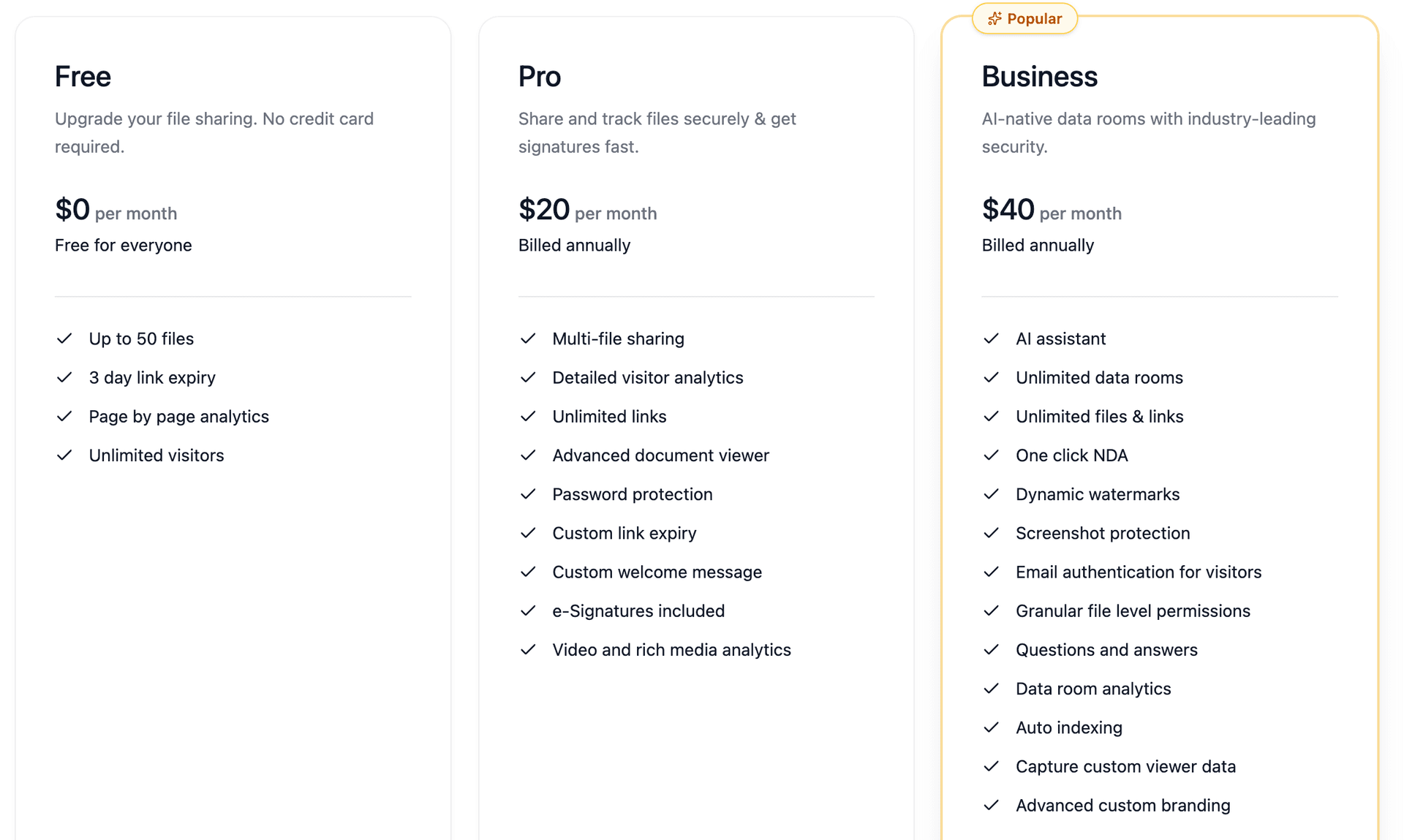
Whatever you choose, prepare your materials before you apply. Set up a Peony data room with your whitepaper, tokenomics, pitch deck, and team bios -- purpose-built for startup fundraising. AI auto-indexing organizes everything in under 3 minutes, page-level analytics show you exactly which reviewers engaged with which sections, and screenshot protection keeps your sensitive token economics secure. The free tier covers most early-stage needs, and Pro is $20/admin/month if you need custom branding and advanced controls.
The founders who get into top programs are the ones who look organized before anyone asks them to be.
Frequently Asked Questions
What is the best blockchain accelerator in 2026?
a16z CSX is widely considered the top blockchain accelerator, offering $500K for 7% equity with access to a16z's $7.6B crypto fund. Alliance DAO is the strongest crypto-native alternative, investing $500K at a $5M post-money valuation with 3 cohorts per year. For sharing tokenomics docs and whitepapers during applications, Peony provides AI auto-indexing that organizes complex technical materials in under 3 minutes.
How much funding do crypto accelerators provide?
Funding ranges from $25K grants to $500K equity investments. a16z CSX and Alliance DAO both invest $500K, YZi Labs (formerly Binance Labs) invests $100K to $500K, Techstars Web3 invests $120K for 6% equity, and Outlier Ventures invests $100K to $200K. Grant-only programs like Solana Incubator and CoinList Seed offer smaller amounts without taking equity. Peony data rooms help founders track which investors engage with their fundraising materials through page-level analytics showing exactly which pages each reviewer read.
Which Web3 accelerators are still active after the crypto winter?
All 15 programs listed in this guide are confirmed active as of April 2026. Some notable survivals include Alliance DAO (now running ALL17 cohort starting May 2026), Outlier Ventures (expanded into DePIN and RWA Base Camps), and Techstars Web3 (Class of 2025 completed, 2026 applications open). Programs that shut down or pivoted are excluded. Peony offers screenshot protection and dynamic watermarks to keep sensitive tokenomics documents secure during the application process.
What is the acceptance rate for blockchain accelerators?
Acceptance rates vary widely. a16z CSX accepts roughly 3% of applicants, Alliance DAO roughly 5%, YZi Labs roughly 8%, and Techstars Web3 roughly 10%. Ecosystem-specific programs like Solana Incubator and Outlier Ventures Base Camps tend to have higher acceptance rates around 15% to 20%. A polished data room improves your odds. Peony lets you set up a complete data room in under 5 minutes with AI that auto-indexes your whitepaper, tokenomics, and pitch deck.
Should I join a crypto-specific or general accelerator?
Crypto-specific accelerators like Alliance DAO and Outlier Ventures provide tokenomics design, regulatory guidance, and crypto VC networks that general accelerators lack. General programs like Y Combinator offer broader networks but less Web3 expertise. If your product requires token design or on-chain mechanics, choose crypto-specific. If you are building SaaS that happens to use blockchain, a general accelerator may work. Either way, Peony AI document extraction lets investors ask natural language questions across your entire data room and get cited answers with exact page numbers.
What documents do I need for a blockchain accelerator application?
Essential documents include a pitch deck (10 to 15 slides), technical whitepaper, tokenomics model with distribution schedule, working prototype or demo, team bios highlighting crypto experience, and market analysis with TAM sizing. Some programs also request smart contract audit reports and regulatory compliance memos. Peony AI auto-indexing organizes all these documents into a structured data room in under 3 minutes, with NDA gates and password protection to control access.
What are the hottest Web3 sectors for accelerator funding in 2026?
Infrastructure and scaling captured 42% of Q1 2026 crypto VC funding, RWA tokenization captured 28%, and AI-crypto plus DePIN captured 18%. Outlier Ventures now runs dedicated DePIN and RWA Base Camps. Alliance DAO added AI-crypto to its thesis. Accelerators are actively seeking founders in agentic AI, restaking, and cross-chain interoperability. Peony dynamic watermarks with viewer identity baked into every rendered frame protect sensitive technical documents when sharing with multiple accelerator programs simultaneously.
Do blockchain accelerators take equity or tokens?
Most top-tier accelerators take equity via SAFEs. a16z CSX takes 7% equity, Alliance DAO invests at a $5M post-money valuation via SAFE with a 1:1.5 token side letter, and Techstars Web3 takes 6% equity. Some programs like Outlier Ventures negotiate both equity and token warrants. Grant-only programs like Solana Incubator and CoinList Seed take neither. Peony built-in e-signatures with AI-powered field detection let founders execute SAFE agreements directly within their data room.
How do I prepare my startup for a Web3 accelerator demo day?
Start preparing 4 to 6 weeks before demo day. Update your pitch deck with traction metrics, finalize tokenomics with mentor feedback, and build a polished data room for investor follow-up. The median Alliance DAO startup raises $3.5M at $25M post-money after demo day, so investor materials matter. Peony page-level analytics show which investors read your whitepaper and for how long, so you can prioritize warm follow-ups over cold outreach after demo day.
Can I apply to multiple blockchain accelerators at once?
Yes, but focus on 3 to 5 programs that match your stage, sector, and blockchain ecosystem. Tailor each application rather than copying the same materials. Most accelerators require full-time commitment during the program, so you can only join one at a time. Peony multi-level access gating with NDA gates, password protection, and email verification lets you share different versions of sensitive documents with each program while tracking engagement separately.
Related Resources
- Top Web3 and Crypto Investors
- Top 20 Startup Accelerators Worldwide
- Seed Funding Guide for Startups
- How to Set Up a Data Room
- Data Room for Investors
- Startup Fundraising Rounds Guide
- How to Send Your Pitch Deck to Investors
- How to Protect Your Pitch Deck
- Best Data Rooms for Startups
- Top AI and Deep Tech Accelerators
You might also like
Mar 17, 2026
10 Best Canadian Startup Accelerators in 2026 (Most Take 0 Equity)
Mar 9, 2026
Top 20 Startup Accelerators Worldwide (YC Now Funds 1,000/Year) in 2026
Apr 3, 2026
12 Hardware Accelerators That Actually Build Things in 2026